What You Need to Know About Concussions
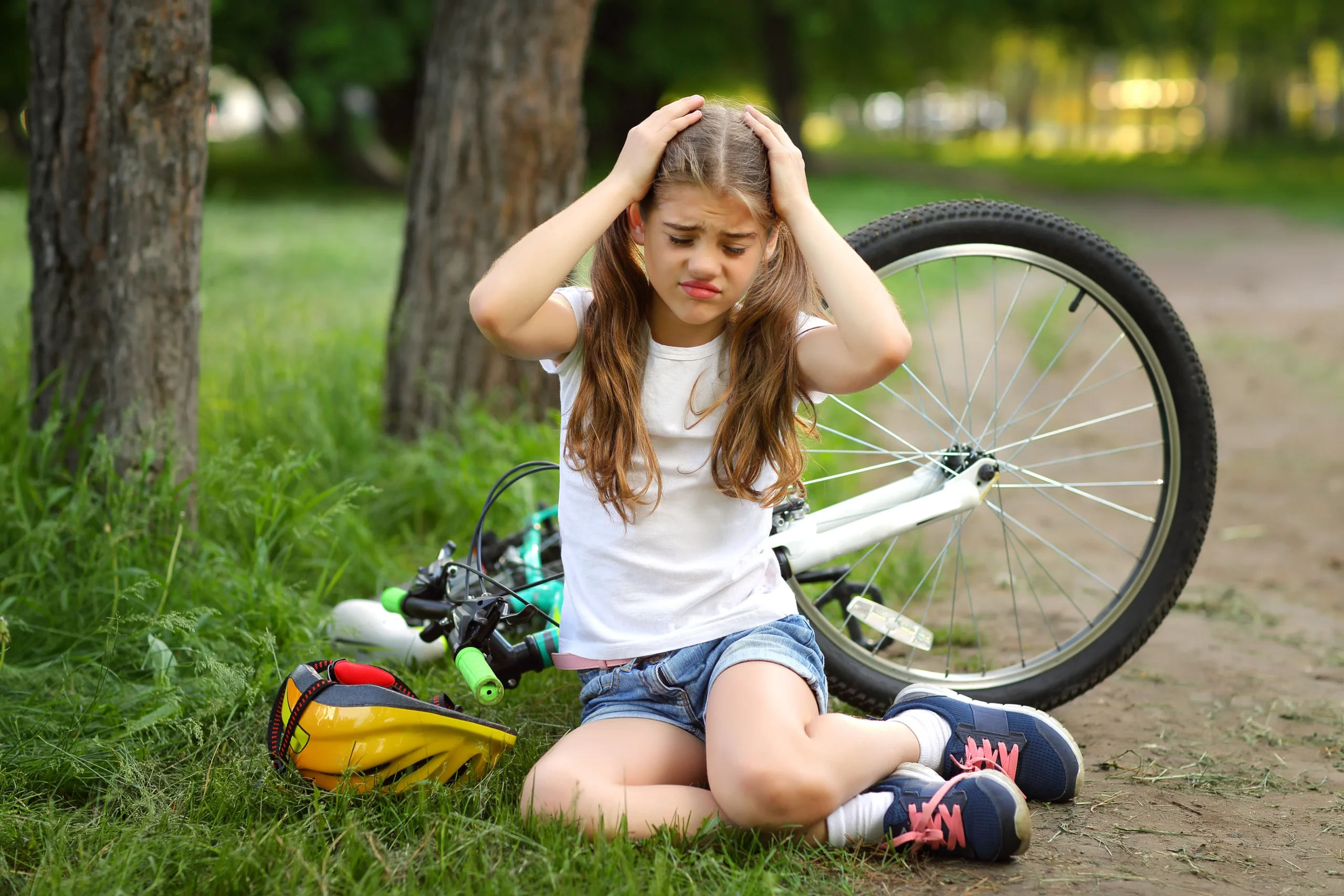
One collision on the ice. An awkward fall during soccer practice. A hard hit during a football game. A concussion can happen in an instant, and even a seemingly minor impact can affect how the brain functions.
Unfortunately, there are still many misconceptions surrounding concussions and their symptoms. Because of this, athletes and active individuals may not always receive the care they need when an injury occurs.
At Leaps & Bounds Performance Rehab, we understand the importance of concussion awareness and early intervention. Knowing the signs of a concussion and understanding what steps to take next can help support a safer recovery and a more confident return to sport, work, and daily life.
Five Common Concussion Myths Debunked
Understanding the facts about concussions is one of the most important steps in protecting brain health. Here are five common myths we regularly help patients navigate:
Myth #1: Concussions Always Cause Loss of Consciousness
Most people who experience a concussion never lose consciousness. Significant symptoms can still occur even when someone remains awake and alert.
Myth #2: Concussions Only Happen From a Direct Blow to the Head
Rapid movement of the head and neck from falls, whiplash injuries, or body collisions can also cause a concussion.
Myth #3: Concussions Only Happen in Contact Sports
While football and hockey carry risks, concussions can also occur during soccer, cycling, skiing, gymnastics, basketball, and recreational activities.
Myth #4: No Immediate Symptoms Means No Concussion
Symptoms may develop hours after an injury. Early assessment is important whenever a concussion is suspected.
Myth #5: Concussions Only Cause Headaches
Concussions can affect balance, concentration, memory, mood, sleep, vision, and many other aspects of daily function.
Common Signs and Symptoms of a Concussion
Headaches
Persistent or worsening headaches are one of the most common physical symptoms following a concussion.
Dizziness & Balance Problems
Feeling unsteady, dizzy, or off-balance may indicate the vestibular system has been affected.
Vision Changes
Blurred vision, difficulty focusing, and increased sensitivity to light can occur after a concussion.
Brain Fog & Concentration Issues
Difficulty concentrating, slower thinking, and memory challenges are common cognitive symptoms.
Mood Changes
Irritability, anxiety, emotional sensitivity, and mood fluctuations can occur during recovery.
Sleep Disturbances
Sleeping more than usual, difficulty falling asleep, or excessive fatigue may signal a concussion.
Why Consider Baseline Testing?
Personalized Baseline Measurements
Baseline testing evaluates memory, balance, attention, reaction time, and processing speed before an injury occurs.
More Accurate Assessments
Everyone performs differently. Baseline results help us understand what is normal for you rather than relying solely on population averages.
Improved Return-to-Play Decisions
Comparing post-concussion performance to your baseline can help guide safe return-to-sport recommendations.
Better Recovery Monitoring
Objective measurements help track progress and identify areas that may require additional treatment or rehabilitation.
Ideal for High-Risk Athletes
Athletes participating in contact or high-speed sports can benefit from having a baseline established before the season begins.
Greater Confidence During Recovery
Objective data helps athletes, parents, coaches, and healthcare providers make informed decisions throughout recovery.

We Take Concussions Seriously—And So Should You
Concussions may be classified as mild brain injuries, but they can still significantly affect quality of life when left untreated. Early recognition, proper assessment, and evidence-based rehabilitation can improve recovery outcomes and support a safe return to activity. If you or your child participates in sports with a higher risk of concussion, consider scheduling a baseline assessment with our team.
Book a Baseline Assessment
Our Patients Are Getting Results

Balance & Stability Training: Enhancing Coordination and Fall Prevention
Have you been feeling unsteady on your feet or worried about falling? Balance and stability training can help improve coordination, build confidence, and reduce your risk of injury. Whether you’re navigating stairs, walking outdoors, or simply moving around your home, better balance helps you stay active and independent.
Good balance is essential at every age, but it becomes even more important as we get older. Falls are one of the leading causes of injury among older adults, yet many falls can be prevented through targeted exercises and movement strategies designed to improve strength, coordination, and body awareness.
Beyond fall prevention, balance training can also enhance athletic performance, support recovery after injury, improve mobility, and contribute to overall health and well-being.
Could You Benefit From Balance Training?
Understanding your fall risk is the first step toward staying safe and mobile. You may benefit from a balance and stability program if any of the following apply:
If any of these sound familiar, the team at Leaps and Bounds: Performance Rehabilitation can create a personalized plan to address your specific needs and help you move with greater confidence.
What to Expect with Balance & Stability Training
Manual Therapy
Hands-on techniques help improve joint mobility, reduce stiffness, relieve discomfort, and support better movement.
Strength Training
Exercises targeting the core, hips, and legs provide a stronger foundation for stability and fall prevention.
Balance Exercises
Progressive activities challenge your balance safely while helping your muscles and nervous system work together more effectively.
Functional Training
Practice real-world movements like navigating stairs, stepping over obstacles, and walking on uneven surfaces.
Lifestyle Guidance
Receive personalized recommendations to improve safety at home and reduce environmental fall risks.
Stay Active, Mobile, and Independent
Improving your balance can help you maintain confidence, reduce your risk of falls, and continue doing the activities you enjoy most. Schedule an assessment with the team at Leaps and Bounds: Performance Rehabilitation and discover how a personalized balance and stability program can help you move safely and comfortably.
Celebrating 10 Years With Our Community
Ten years ago, Leaps & Bounds Performance Rehabilitation began with a simple vision: to create a space where people felt supported, cared for, and empowered throughout their recovery and wellness journey.
This month we had the opportunity to celebrate that milestone with many of the people who have helped make the past decade so special. The day featured community yoga, a group run, delicious food, sweet treats, and plenty of opportunities to reconnect with the incredible people who have supported us throughout the years.
Thank you to everyone who joined us for our anniversary celebration. We extend a special thank you to our wonderful neighbours at Peppino’s Oven for the delicious food and Sweet! Bakery for the beautiful anniversary cookies that helped make the day even more memorable.


Anniversary Apparel Pickup & Availability
Anniversary apparel orders are now available for pickup at the clinic.
We still have a limited number of anniversary t-shirts available for purchase for $30, with proceeds continuing to support Wellspring Cancer Support GTA.
Thank You For Being Part of Our Story
Whether you’ve trusted us with your rehabilitation, attended an event, referred a friend, partnered with our team, or simply followed along on our journey, thank you. Your support has helped shape Leaps & Bounds into what it is today, and we look forward to continuing to serve our community for many years to come.
The Team That Makes It Happen
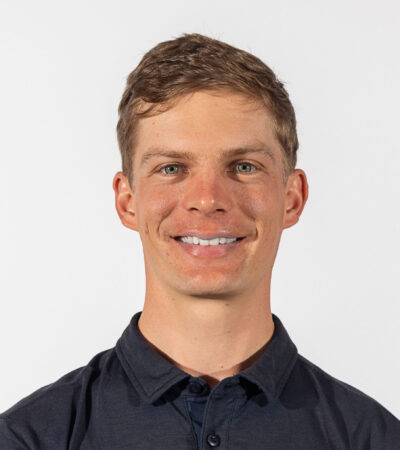
Andrew Convery
Registered Massage Therapist, Certified Athletic Therapist
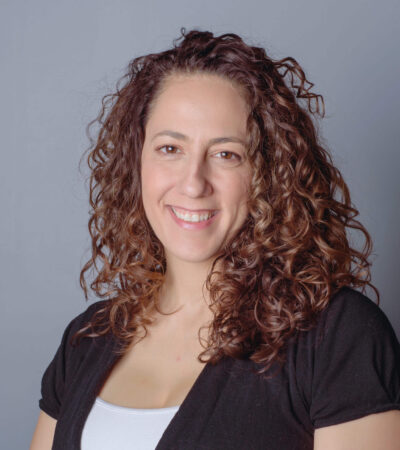
Carolina Rotondo
Registered Physiotherapist
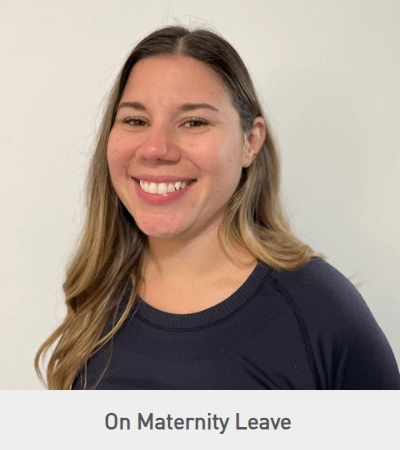
Christina Camilleri
Registered Massage Therapist, Certified Athletic Therapist

Dr. Roslyn Eng
Doctor of Chiropractic
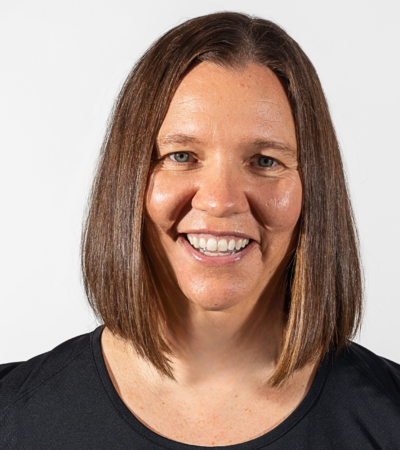
Michelle Davies
Customer Experience Manager
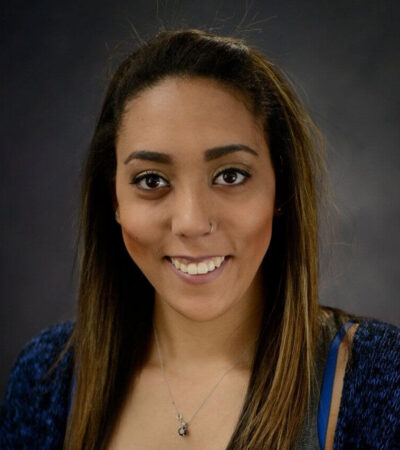
Onika Green
Mental Performance Consultant
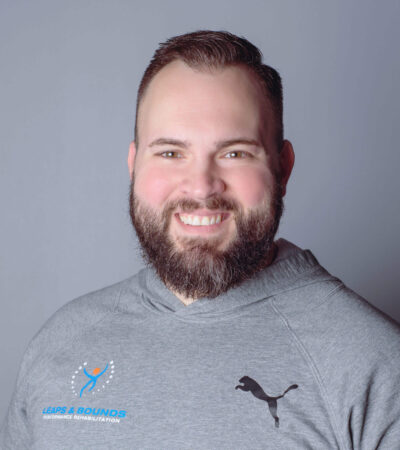
Pat Stanziano
Registered Physiotherapist, Sport Physiotherapist
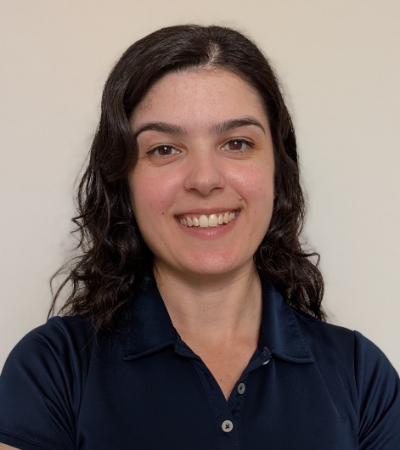
Tania Tajik
Registered Physiotherapist
Creamy Salmon Risotto
This creamy salmon risotto is packed with high-quality protein, heart-healthy omega-3 fats, and satisfying complex carbohydrates. It’s a comforting meal that supports recovery, muscle health, and sustained energy while delivering restaurant-quality flavor at home.

Ingredients
- 1 tbsp olive oil
- 1 small shallot, finely diced
- 1 cup Arborio rice
- 4 cups low-sodium vegetable or chicken broth, warmed
- 2 salmon fillets (about 6 oz each)
- 1 cup peas
- ½ cup grated Parmesan cheese
- 1 tbsp fresh lemon juice
- 1 tbsp chopped fresh parsley
- Salt and pepper to taste
Directions
- Season salmon with salt and pepper. Bake at 400°F (200°C) for 12–15 minutes or until cooked through.
- Flake the cooked salmon into large pieces and set aside.
- Heat olive oil in a large saucepan over medium heat and sauté the shallot until softened.
- Add the Arborio rice and stir for 1–2 minutes until lightly toasted.
- Add warm broth one ladle at a time, stirring frequently and allowing the liquid to absorb before adding more.
- Continue until the rice is creamy and tender, about 25–30 minutes.
- Stir in the peas during the final 5 minutes of cooking.
- Remove from heat and mix in Parmesan cheese, lemon juice, and parsley.
- Gently fold in the salmon and serve immediately.
Recovery Nutrition Matters
Salmon provides omega-3 fatty acids that support heart, brain, and joint health, while the combination of protein and carbohydrates in this meal helps replenish energy stores and support muscle recovery after exercise, training, or everyday activity.