Understanding Frozen Shoulder Treatment: How a Multidisciplinary Team Can Help You Recover
Frozen shoulder, also known as adhesive capsulitis, is more than just shoulder pain. As the joint becomes progressively stiffer, everyday tasks—reaching into a cupboard, fastening a seatbelt, putting on a jacket, carrying groceries, or simply getting a good night’s sleep—can become surprisingly difficult.
The good news is that, with the right approach, most people recover well. The challenge is knowing what to do, when to do it, and how to progress safely through each stage of recovery. That’s where a personalized rehabilitation plan can make all the difference.
At Leaps & Bounds Performance Rehabilitation, our goal isn’t simply to improve your shoulder range of motion. It’s to help you recover faster, perform better, and stay in the game — whatever that looks like for you. Whether your goal is returning to the gym, getting back on the golf course, lifting your grandchildren, or simply moving through your day without constantly thinking about your shoulder, our physiotherapists, chiropractors, and athletic therapists work together to build a treatment plan that’s tailored to your symptoms, your goals, and your stage of recovery.
Unfortunately, there are still many misconceptions about frozen shoulder that can delay recovery or prevent people from seeking treatment altogether. Let’s separate fact from fiction.

Common Myths About Frozen Shoulder
Myth #1: “Frozen Shoulder Will Go Away on Its Own”
It’s true that most frozen shoulders eventually improve, but “eventually” can mean 12–24 months, and some people are left with lasting stiffness or reduced function. The condition typically progresses through three stages—freezing, frozen, and thawing—and each stage requires a slightly different rehabilitation approach.
Rather than simply waiting for your shoulder to loosen over time, a structured rehabilitation program can help maintain as much movement as possible, reduce pain, restore strength, and help you return to everyday activities sooner. At Leaps & Bounds, we tailor treatment to the stage of your recovery, adjusting your program as your shoulder changes.
Myth #2: “You Should Rest Until the Pain Stops”
When every movement hurts, resting your shoulder feels like the obvious choice. Unfortunately, too much rest often allows the shoulder to become even stiffer.
Frozen shoulder isn’t caused by “wearing it out.” Instead, the joint capsule becomes inflamed, thickened, and tight, limiting the shoulder’s ability to move normally. The goal isn’t to force movement through pain, but to keep the shoulder moving enough to maintain mobility while respecting the stage of healing.
We’ll help you find that balance with exercises that challenge your shoulder without unnecessarily aggravating it, so you continue making progress rather than simply waiting for symptoms to settle.
Myth #3: “All Shoulder Pain Is Basically the Same”
Not all shoulder pain is created equal.
Unlike many rotator cuff injuries or muscle strains, frozen shoulder limits both active and passive range of motion. In other words, even if someone else tries to move your arm, it still won’t go much farther. Many people also experience a deep, aching pain that is often worse at night or when reaching overhead or behind their back.
That’s why an accurate assessment matters. Before starting treatment, we take the time to determine what’s actually causing your symptoms so your rehabilitation is built around the correct diagnosis—not guesswork.
Myth #4: “Frozen Shoulder Treatment Has to Be Painful”
Recovery doesn’t require pushing through severe pain.
While some stretching discomfort is expected, effective rehabilitation isn’t about forcing the shoulder to move further than it’s ready to. In fact, overly aggressive treatment can sometimes make symptoms worse.
Our approach is to meet you where you are. As your shoulder gradually regains mobility, we progressively introduce more movement, strengthening, and functional exercises that help restore confidence as well as range of motion.
Myth #5: “Surgery Is the Only Way to Fix It”
Fortunately, surgery is rarely the first step.
Most people recover well with conservative treatment, particularly when rehabilitation begins early and follows a structured plan.
Treatment often includes education, guided mobility exercises, progressive strengthening, and strategies to keep you moving confidently throughout each stage of recovery. When appropriate, manual therapy, acupuncture, dry needling, or massage therapy may also help reduce pain and improve comfort, making it easier to participate in your rehabilitation program.
Our goal isn’t simply to help your shoulder move better in the clinic. It’s to help you get back to the things that matter most—whether that’s reaching into the top cupboard, sleeping comfortably through the night, getting back to the gym, or enjoying a round of golf. Every rehabilitation plan is built around helping you recover faster, perform better, and stay in the game.

Real Progress Starts with the Right Plan
Recovering from frozen shoulder takes patience, but it shouldn’t leave you feeling lost or wondering if you’re making progress. With the right assessment, the right guidance, and a rehabilitation plan that’s tailored to your stage of recovery, most people can regain the mobility, strength, and confidence they need to get back to the activities they enjoy.
At Leaps & Bounds Performance Rehabilitation, we don’t just focus on helping your shoulder move better—we focus on helping you move better. Whether your goal is returning to the gym, getting back on the golf course, lifting your grandchildren, or simply reaching into the cupboard without pain, our multidisciplinary team is here to guide you every step of the way.
If shoulder pain or stiffness is limiting your life, don’t wait and hope it improves on its own. Schedule an assessment with our team and take the first step toward getting back to the activities that matter most.
Book Your Evaluation
Our Patients Are Getting Results
The Team That Makes It Happen
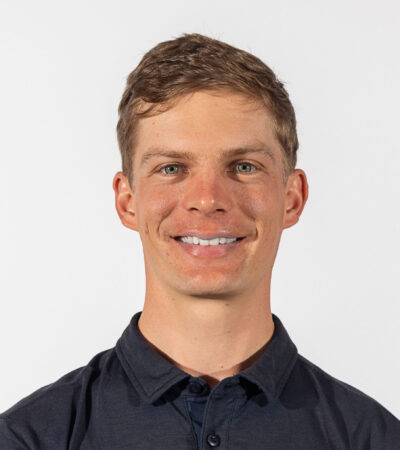
Andrew Convery
Registered Massage Therapist, Certified Athletic Therapist
Carolina Rotondo
Registered Physiotherapist
Christina Camilleri
Registered Massage Therapist, Certified Athletic Therapist

Dr. Roslyn Eng
Doctor of Chiropractic

Michelle Davies
Customer Experience Manager

Onika Green
Mental Performance Consultant
Pat Stanziano
Registered Physiotherapist, Sport Physiotherapist
Tania Tajik
Registered Physiotherapist
Congratulations, Andrew!
We’re excited to share some fantastic news about our longtime Athletic Therapist, Andrew Convery!
An Incredible Achievement
Andrew has successfully completed his Massage Therapy program and has officially passed his College of Massage Therapists of Ontario (CMTO) registration examinations. He is now in the final stages of becoming a Registered Massage Therapist (RMT).
We’re anticipating opening Massage Therapy appointments in September, pending final registration with the CMTO, and we’ll be sure to announce when booking officially opens.
Interested in Seeing Andrew?
Interested in seeing Andrew for massage therapy?
To help us plan for the launch, we’re creating an early access list. If you join the list, we’ll contact you before we announce Massage Therapy appointments to the general public, giving you the opportunity to book before appointments open to everyone else.
👏 Congratulations, Andrew!
Please join us in congratulating Andrew on this incredible milestone. We’re proud of everything he’s accomplished and can’t wait to see him continue providing exceptional care in this new role.
Congratulations, Andrew! 👏
Mediterranean Chicken Power Bowl
This Mediterranean-inspired lunch is loaded with lean protein, fresh vegetables, whole grains, and heart-healthy fats to help keep you energized throughout the day. It’s perfect for meal prep and supports muscle recovery while delivering fresh, vibrant flavor.

Ingredients
- 2 boneless skinless chicken breasts
- 2 cups cooked quinoa or brown rice
- 1 cup cherry tomatoes, halved
- 1 cucumber, diced
- 1 cup chickpeas, drained and rinsed
- ¼ cup crumbled feta cheese
- ¼ cup sliced Kalamata olives
- 2 tbsp olive oil
- Juice of 1 lemon
- 1 tsp dried oregano
- Salt and black pepper to taste
- Fresh parsley for garnish
Directions
- Season the chicken with oregano, salt, pepper, and a drizzle of olive oil.
- Cook in a skillet or on the grill for 5–6 minutes per side until fully cooked. Let rest before slicing.
- Whisk together the olive oil and lemon juice to make a simple dressing.
- Divide the quinoa or brown rice among serving bowls.
- Top with sliced chicken, tomatoes, cucumber, chickpeas, olives, and feta.
- Drizzle with the lemon dressing and garnish with fresh parsley before serving.
Fuel Your Recovery
Lean chicken provides high-quality protein to support muscle repair, while quinoa, chickpeas, and fresh vegetables offer fiber, vitamins, and lasting energy. Olive oil adds heart-healthy fats that help support overall wellness and recovery.