
Restore Your Hip and Reclaim Your Performance
One sharp turn on the football field. One awkward landing on a double axel. One deeper-than-usual squat. Now, you find yourself dealing with hip pain, and it’s making it harder to participate in the activities that matter most to you.
Sound familiar? Hip pain is a fairly common complaint, given that the hips are an important load-bearing joint. Fortunately, most hip problems respond well to a personalized rehabilitation program. At Leaps & Bounds Performance Rehabilitation, our team helps you rebuild the strength and control you need to restore hip function.

Potential Reasons Your Hip Might Be Hurting
Referred Pain from the Lower Back
Not all hip pain originates from the hip itself. Problems in the lumbar spine can refer pain into the buttock, outer hip, groin, or thigh (sometimes even when there is little or no back pain). A thorough assessment can help determine whether your symptoms are coming from the hip, the lower back, or a combination of both.
Muscle Strains
Overstretching or overloading the hip flexors, groin muscles, hamstrings, or gluteal muscles can cause pain and weakness.
Gluteal Tendinopathy
A tendon on the outside of the hip can become sensitive to load, making activities such as running, climbing stairs, or lying on that side uncomfortable.
Labral Injury
The cartilage ring around the hip socket can become irritated or injured, sometimes causing deep hip or groin pain, clicking, catching, or pain with pivoting and deeper hip positions.
Hip Osteoarthritis
Changes within the hip joint can contribute to stiffness, aching, reduced mobility, and difficulty with activities such as walking, squatting, or putting on shoes and socks.
Bone Stress Injury
When repeated loading outpaces the bone’s ability to recover, a bone stress injury can develop. Runners and dancers may be particularly susceptible, often experiencing deep hip or groin pain that worsens with impact.
Knowing When to Get Hip Pain Checked Out
Some hip pain settles quickly with a temporary change in activity. But if your symptoms aren’t improving, repeatedly return when you resume activity, or are beginning to affect your movement or daily life, it’s worth finding out why.
Consider scheduling an assessment if:
- Your pain isn’t improving or continues to worsen
- Your symptoms repeatedly return when you resume sport, exercise, or other activities
- You’re changing the way you move or perform an activity because of the pain
- Pain or stiffness is beginning to interfere with work, sleep, or everyday activities
Addressing Hip Pain at Leaps & Bounds Performance Rehabilitation
Our first step is to understand what’s causing your pain—not simply where you feel it. We’ll take a detailed history and perform a thorough physical assessment that may include your hip and spine, along with strength, mobility, balance, and the movements or activities that reproduce your symptoms.
The goal is to arrive at the most accurate diagnosis or classification possible so we can prescribe the right treatment for you. Depending on what we find, your plan may include education and activity modification, targeted mobility work, progressive strengthening and loading, hands-on treatment, and movement retraining. As you improve, we’ll progressively build the strength, mobility, and physical capacity you need for the demands of your everyday life, work, or sport.
Getting you out of pain is only part of the process. We’ll also help you get back to what you want to do using a return-to-activity progression based on your physical readiness rather than simply the passage of time. Strength, range of motion, load tolerance, and activity-specific skills can all help determine when and how you progress.
For example, a runner might progress from walking to run-walk intervals, continuous running, and eventually hills or speed work. A dancer might progress from controlled barre work to turns, jumps, and ultimately full rehearsals and performances.
Treatment Techniques We Might Recommend
Manual Therapy
Joint or soft-tissue techniques to help reduce pain and improve motion, creating a useful foundation for active rehabilitation.
Progressive Exercise
Safely building hip and trunk strength, tendon capacity, mobility, balance, and power. The challenge increases as your symptoms and function improve.
Movement Retraining
Practicing running, landing, cutting, lifting, or dance technique to improve control and prepare for real demands.
Education
Understanding pain, recovery, pacing, sleep, and training response helps you make informed decisions between visits.

Get Back to Your Best
Hip pain doesn’t have to keep you from the activities that matter to you. If your symptoms are lingering, repeatedly returning, or limiting what you can do, a detailed assessment can help determine why you’re hurting and what you can do about it.
At Leaps & Bounds Performance Rehabilitation, we’ll build a treatment plan around your diagnosis, your goals, and the demands you need to get back to—whether that’s everyday activity, work, training, or competition.
Ready to get back to what moves you?
Book Your Evaluation
Our Patients Are Getting Results
Fall Sports Are Back — Is Your Baseline Test Up to Date?
The Team That Makes It Happen

Andrew Convery
Registered Massage Therapist, Certified Athletic Therapist

Carolina Rotondo
Registered Physiotherapist
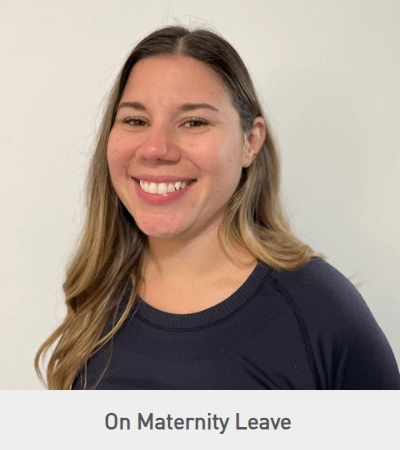
Christina Camilleri
Registered Massage Therapist, Certified Athletic Therapist

Dr. Roslyn Eng
Doctor of Chiropractic

Michelle Davies
Customer Experience Manager

Onika Green
Mental Performance Consultant

Pat Stanziano
Registered Physiotherapist, Sport Physiotherapist

Tania Tajik
Registered Physiotherapist
Harvest Turkey and Quinoa Bowl
Warm, hearty, and packed with seasonal produce, this bowl combines lean ground turkey with roasted butternut squash, quinoa, and a maple-cider dressing. It’s a nourishing meal that’s perfect for cooler days and easy to prep ahead for the week.

Ingredients
- 1 lb lean ground turkey
- 1 cup quinoa, rinsed
- 2 cups butternut squash, cubed
- 2 cups baby kale or spinach
- ⅓ cup dried cranberries
- ¼ cup pumpkin seeds
- 2 tbsp olive oil
- 1 tbsp apple cider vinegar
- 1 tbsp maple syrup
- ½ tsp cinnamon
- ½ tsp smoked paprika
- Salt and black pepper to taste
Directions
- Preheat oven to 400°F. Toss the butternut squash with 1 tablespoon olive oil, cinnamon, salt, and pepper.
- Roast the squash for 25–30 minutes, until tender and lightly browned.
- While the squash roasts, cook the quinoa according to package directions.
- In a skillet over medium heat, brown the ground turkey with smoked paprika, salt, and pepper, breaking it apart as it cooks, about 8–10 minutes.
- Whisk together the remaining olive oil, apple cider vinegar, and maple syrup to make the dressing.
- Divide the kale between bowls and top with quinoa, roasted squash, and turkey.
- Sprinkle with dried cranberries and pumpkin seeds, then drizzle with dressing.
- Enjoy immediately or refrigerate for meal prep lunches throughout the week.
Fuel Your Recovery
Lean ground turkey provides high-quality protein to support muscle repair, while quinoa, butternut squash, and kale offer fiber, vitamins, and lasting energy. Olive oil and pumpkin seeds add heart-healthy fats that help support overall wellness and recovery through the cooler months.
Sources: PubMed, ChoosePT, Physiopedia, NCBI