


Get Relief for Your Sports Injury and Get Back in the Game!
Did you roll your ankle playing pickup basketball? Has your shoulder started interfering with your ability to play sports? You may be dealing with sports injuries that are getting in the way of your enjoyment of the game.
Thankfully, at Leaps & Bounds, our practitioners are experts at treating sports injuries, and we can help get you back and keep you in the game!
According to Stats Canada, 35% of all injuries occurred during participation in some type of sports or exercise each year. Most sport-related injuries are due to overuse injuries and acute traumas.
Whatever age you are or level of physical ability you may have, physiotherapy can help you enhance the healing process of a sports injury. With our sports injury rehabilitation programs, you will be able to get back to doing the activities you love in no time.
Contact Leaps & Bounds today to consult with one of our practitioners.
What Are the Most Common Sports Injuries?
Sports injury is a term that can describe any injury sustained while exercising or performing an athletic activity. The two most common ways in which sports injuries can occur are:
- Acute trauma: A sudden event such as a football player colliding with another, or a non-contact injury like a sudden change in direction or an awkward landing.
- Repetitive/overuse injuries: Chronic issues that start from faulty throwing techniques, improper grip on a tennis racquet, or running in ill-fitted shoes.
Simply put, anything that results in pain while performing physical activity can be considered a sports injury.
Acute injuries are caused by a single specific incident, such as:
- Sprains: injuries to ligaments
- Strains: injuries to muscles
- Fractures: injuries to bones
- Tears: injuries to any soft tissue, including muscle, tendon, ligament, and cartilage
Some examples of overuse injuries include:
- Tendonitis
- Bursitis
- Shin splints
- Tennis elbow
- Runner’s knee
Whether you rolled your ankle on the soccer field, swung your bat too aggressively on the baseball diamond, or strained your back while hiking your favorite trail, Leaps & Bounds can help you find relief!
How We Can Help
Your treatment plan will be dependent upon the nature of your injury, your health history, and whether or not the injury requires surgical intervention. If you’ve sustained a sports injury, rehabilitation should start immediately to ensure the fastest recovery possible.
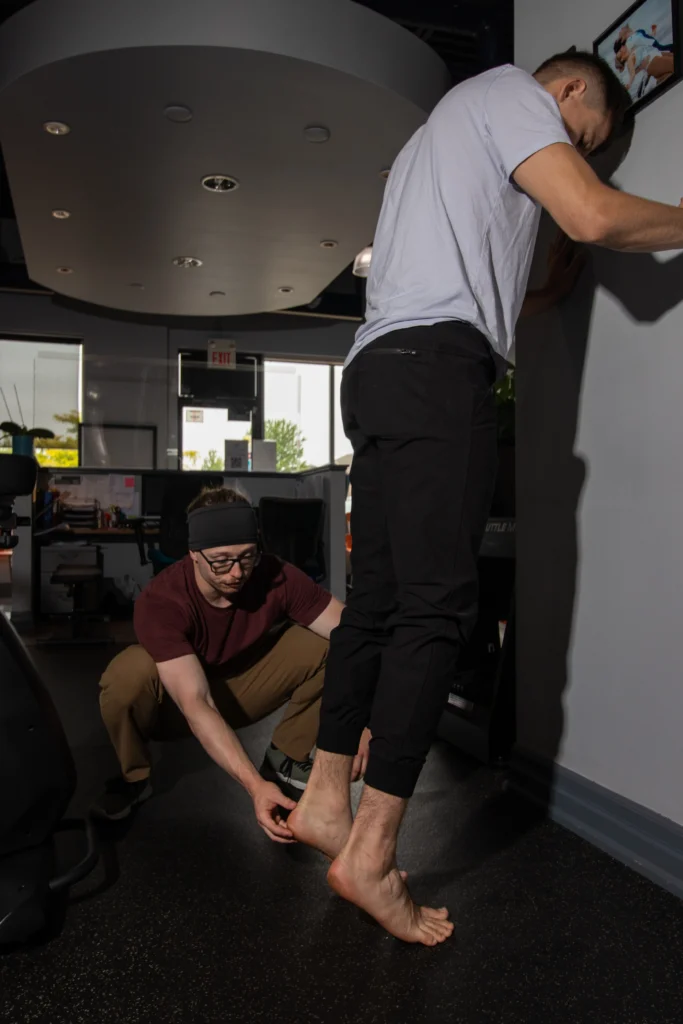
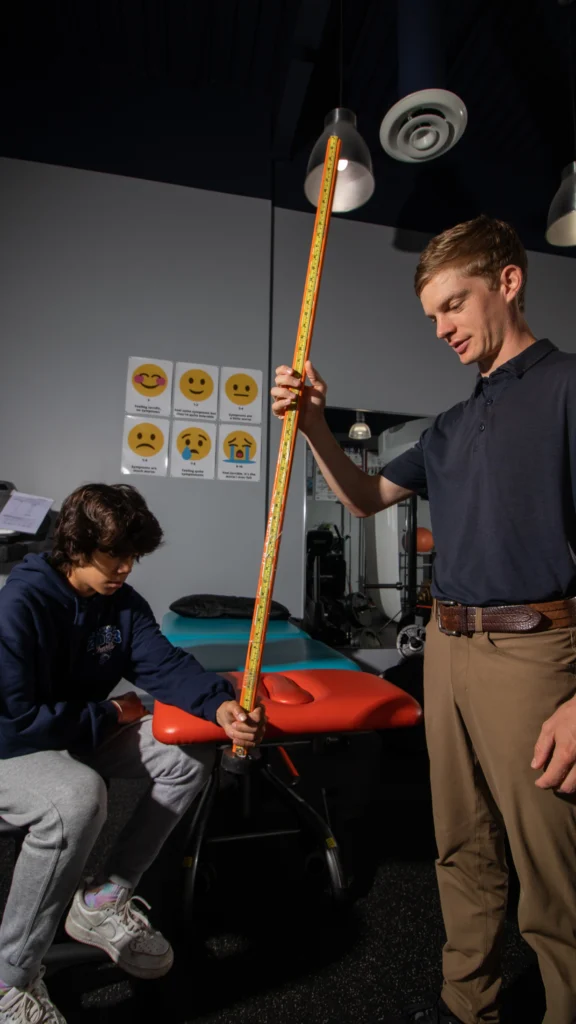
We will start with an injury evaluation and a biomechanical assessment to identify all the factors contributing to your injury. Our practitioners are experts in sports rehab. They will conduct a thorough assessment to determine the injury’s severity and identify any other weaknesses or limitations that may affect your recovery.
In addition, we will conduct a thorough history to understand more about your training schedule, the demands on your body, and your overall health status. We will use this information to develop a comprehensive program that includes targeted manual techniques, mobility work, strengthening, and appropriate pain relief techniques.
Next, your therapist will create a targeted, individualized care plan to promote accelerated recovery and future injury prevention. We will incorporate sport-specific treatments with a “return to sport” progression to assist you in a safe return to training and competition.
Each therapy program will include injury prevention strategies that focus on progressing your strength and dynamic stability to restore your function and prevent injuries. We will also incorporate balance and coordination exercises to stimulate the nervous system and help you change directions and land correctly to avoid a future injury.
The overall goals of our team are a safe return to training/competition and minimizing re-injury upon your return to the sport you love!
Contact Us Today!
Physiotherapy has been proven to treat both acute and chronic sports injuries successfully. At Leaps & Bounds, our practitioners will help you get started on the right track toward returning to the sport you love! If you are an athlete suffering from a sports-related injury, don’t waste any more time on the sidelines. Take your recovery to the next level with our team! Call today to schedule an appointment with one of our specialists.

Help Us Help Our Community
This month we will be raising money for the Oakville Hospital Foundation! We will donate $10 for every Google review we receive!t.
We donated $550 to local charities based on reviews last year alone. So, if you are a long-time client of ours and have received exceptional service with a great outcome, please consider leaving us a review.

Grilled Shrimp Tacos with Peach Salsa
Ingredients:
- 1/2 medium red onion, thinly sliced
- Juice of 2 limes
- Kosher salt and freshly ground pepper
- 1 large ripe peach, pitted and diced
- 1/2 small avocado, pitted and diced
- 2 tbsp finely chopped fresh cilantro
- 1 tsp tajin
- 1/4 tsp chili powder, divided
- olive oil spray
- 1 1/2 lbs jumbo raw shrimp, shelled & deveined (weight after peeling)
- 1/4 tsp kosher salt
- 1/8 tsp cayenne pepper
- 8 6-in corn tortillas
Directions:
- In a small bowl, combine the onion, juice from 1 1/2 limes, and a large pin of salt. Toss to combine and let the mixture pickle while you prepare the other ingredients, stirring occasionally.
- In another small bowl, combine the peach, avocado, cilantro, 1/4 tsp chili powder, and the juice from the remaining lime half. Sprinkle generously with salt and toss to combine. Make sure it’s well-seasoned, then set aside.
- Preheat the grill, a grill basket or a grill pan to medium-high heat and spray with oil. Pat the shrimp dry and spray with oil. Season with 1 tsp tajin, 1/4 tsp kosher salt and cayenne pepper.
- Add the shrimp to the prepared grill and grill for 2 to 3 minutes per side, until the shrimp are pink and firm. Transfer the shrimp to a plate to cool while you char the tortillas on the grill, about 1 minute per side until slightly charred.
- To assemble, divide the shrimp equally among the tortillas. Top with a heaping spoonful of salsa, a few pickled onions, and serve, with lime wedges and extra pickled onions on the side.
Patient Success Story
Perform Better • Recover faster • stay in the game
Help Your Kids Avoid Sports Injuries This Summer
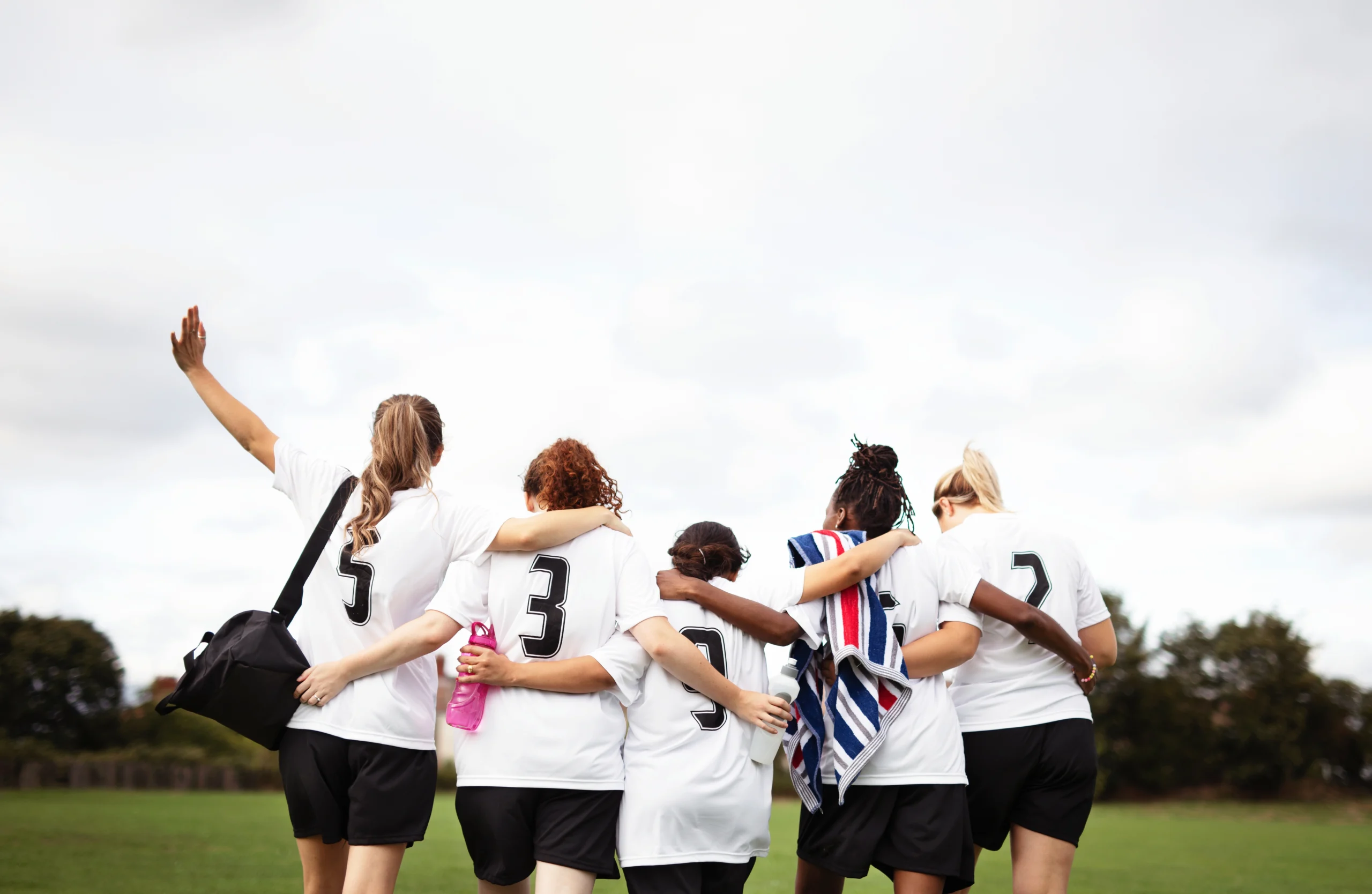
As a parent, it’s normal to be worried about falls and other accidents. Kids are clumsy, rambunctious, and almost always on the move! It’s hard not to worry about them getting injured, especially when they play a sport.
With fall sports starting up again, we want to assist you in preventing sports injuries from placing your child on the sidelines. So we’ve put together a list of preventative measures for keeping your child healthy and active this season!
Monitor their diet and nutrition
- Encourage your child to consume a nutritious diet made up of organic, healthy ingredients. Make sure your little one stays hydrated with plenty of water. It’s also a good idea to ensure they maintain a steady electrolyte balance.
Teach your child to speak up about any pain
- Children may “play through the pain” or not acknowledge common injury signs. These actions may place them at risk for making a relatively mild condition more serious. Recognizing a possible sprain or stress fracture is key to getting immediate care and resolution so that they may go back to play.
- Teaching your child to address pain and dysfunction early is very important for their overall health.
Encourage them to take proper warm-ups and cool-downs
- Children are excited to get into the game and tend to be in a rush to get into practices – and just as anxious to get out of them when they’re finished. However, participating in athletics without first warming up may lead to preventable injuries.
- A cardiovascular warm-up such as jogging with some gentle stretching may be all that is needed to avoid these issues. After the exercise, a cool down and stretch routine also helps the tissues recover from their workout.
Promote safe play
- Even the most physically fit children will get into trouble if they disregard safe play guidelines. Appropriate use of helmets and other protective gear is key— so be sure it fits your child well and is worn correctly.