Got A Knee Injury? Consider Physiotherapy
A bad knee injury can really throw a wrench into your plans. It becomes harder to walk, climb stairs, and participate in your favorite sports or other recreational activities. Many people assume their only option is to mask the discomfort with pain medication–or undergo surgery. In reality, there’s a third choice: physiotherapy.
Physiotherapy provides an effective, evidence-based alternative for many knee injuries that can help you recover strength, mobility, and function. At Leaps & Bounds, we’ll work with you to develop a treatment program that addresses your knee injury directly–that way, you can get back to living your life without going under the knife.


We’re Turning 9 on May 2nd
Thanks to You!
As we celebrate 9 incredible years of helping our community move better and feel stronger, we want to hear from the people who made it possible—YOU!
Been a patient with us? Past or present? We’d love to celebrate with you in one of two ways:
- Leave us a positive review to share your experience
- Or be featured in our Patient Spotlight series—get a shoutout in our newsletter or social media! Interested in being featured? Email us at info@leapsboundsrehab.com with the subject line “Patient Spotlight” and let us know!
Patient Spotlight: JD’s Road to Boston
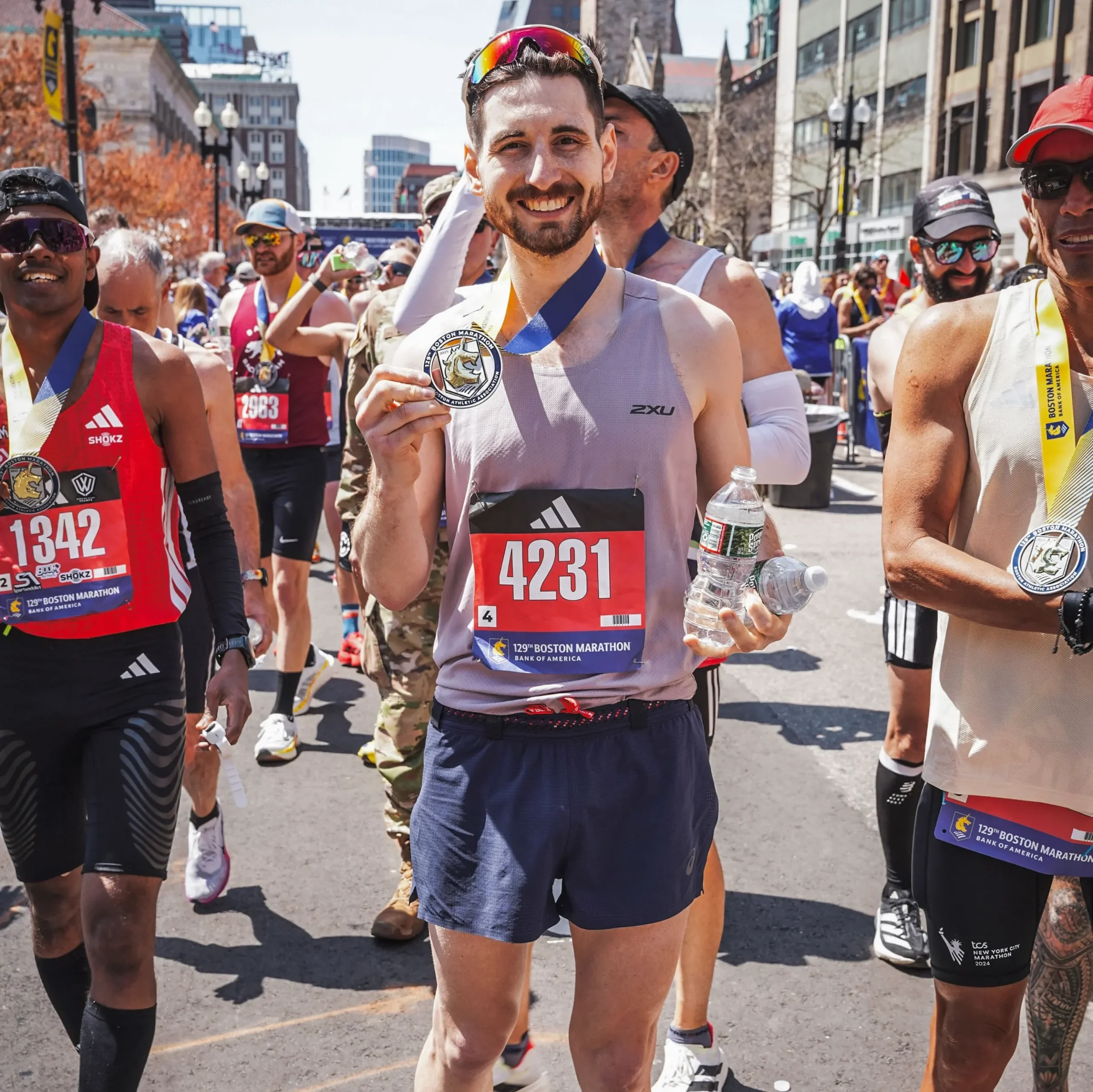
After struggling with a stubborn post-tib strain and feeling stalled in his rehab, JD came to us looking for a more focused, running-specific approach — with the Boston Marathon fast approaching. Walking was painful, work was tough, and his training had taken a major hit.
Working with Andrew, JD followed a progressive rehab plan that strengthened his calf and targeted the injured tissues. Weekly check-ins and ongoing support helped him rebuild both physically and mentally.
Six weeks out from Boston, he was back in full marathon training mode, and on race day, he crushed it — finishing in 2:51:50, just 50 seconds shy of his personal best.
JD’s now chasing a big goal: running all the World Marathon Majors in under 3 hours. With Chicago and Boston checked off, he’s got five more to go.
(Huge shoutout to Andrew for guiding this recovery so expertly — and to JD for trusting the process and putting in the work!)

Some of the Common Knee Injuries We Help Treat
There’s more than one way to hurt your knee. Here are a few of the injuries we frequently see at our clinic:
Ligament Injuries
- Your knee contains four main ligaments, and damage can range from mild overstretching to a complete rupture. While severe ligament injuries will generally require surgery to regain full function, mild injuries respond well to physiotherapy. In both cases, our team is here to help you stabilize your knee joint and regain lower body strength.
Meniscus Tears
- A meniscus tear occurs when the cartilage in the knee joint is damaged, often from twisting or sudden movements. Like ligament tears, a severe meniscus tear may require surgery. However, physiotherapy can strengthen the surrounding muscles, improve joint stability, and reduce pain, making it a non-surgical option for many cases.
Jumper’s Knee
- Jumper’s knee (or patellar tendinitis) is an inflammation of the tendon connecting the kneecap to the shinbone. Targeted exercises and stretching can reduce symptoms while preventing further injury.
Runner’s Knee
- Runner’s knee (or patellofemoral pain syndrome) is a condition where pain develops around the kneecap, often due to overuse or misalignment. Physiotherapy focuses on correcting imbalances, improving knee alignment, and strengthening the leg muscles to relieve pain and enhance function.
Our Patients Are Getting Results
“Leaps & Bounds have been instrumental in my recovery from my recent ACL & meniscus tears. I’m at 4 months since my surgery and my physio, Andrew has been the biggest factor aiding my recovery. Andrew’s approach towards my recovery has been hands on and he’s very invested in helping me getting back ‘on my feet’. He’s been great with the information he gives to his patients on every process, plans for the week, goals & milestones for the month. It’s a tangible way of understanding progress. Andrew is also a great motivator as a lot of times I’ve witnessed that my barriers to recovery are more mental than physical. To anyone who is looking for a stellar team to help with their recovery I strongly recommend Leaps & Bounds. Big shout out to Michelle at the front who always welcomes me with the most encouraging words (Michelle, YNWA!)” – R.R.
“I had an excellent experience with Antony from Leaps and Bounds. He was professional, knowledgeable, and attentive to my needs. He took the time to listen to my concerns and developed a tailored treatment plan that really worked for me. I’ve seen significant improvement in my injured knee, I felt much better after each session. I highly recommend Anthony to anyone in need of physiotherapy. Thank you so much!!” – K.S.
Why Is Physiotherapy a Good Choice for These Injuries?
Physiotherapy focuses on natural healing by using the body’s mechanisms. Instead of masking pain or removing damaged tissue, it encourages muscles, ligaments, and tendons to rebuild strength and function.
Three Benefits of Physiotherapy Over Surgery or Pain Medication
It Has Fewer Risks
- Surgery is hard on your body, and it brings with it a host of risks, from blood clots to long-term complications. Medications can cause unwanted side effects or, in some cases, dependency, making them riskier as well. Physiotherapy’s all-natural approach sidesteps these concerns.
It Provides Personalized Care
- We tailor our physiotherapy treatments to your specific injury. Your first session will consist of a comprehensive assessment in which we review your symptoms, health history, and recovery goals. We use this information to craft a one-of-a-kind treatment program.
It Takes a Holistic Approach
- Physiotherapy’s emphasis on targeted exercises and its whole-body approach to treatment can help improve your overall health and well-being. In fact, our ultimate aim is to address the underlying causes that contributed to your injury in the first place, helping to minimize your risk of future injuries.
What To Expect From Your Treatment Program
Our team pulls from several techniques to ensure you get the care you need. After your initial assessment, here’s a general overview of what you can expect:
- Pain Management: Techniques like manual therapy and treatment modalities like hot or cold therapy can help reduce your pain while facilitating your body’s healing processes.
- Mobility Work: Improving your knee’s range of motion is an essential early step. It helps you move better, preventing falls and making it easier for you to move through treatment.
- Strengthening Exercises: Strengthening the muscles around your knee provides additional support and stability to the joint, helping to reduce pain and your risk of another injury.
- Balance Training: A knee injury can affect your balance and gait. These specialized exercises will keep you on your feet.
- Functional Training: Finally, we’ll work with you to improve your ability to perform day-to-day tasks, like climbing stairs. We’ll also provide you with a return-to-activity schedule to get back to what you love.
Call Today To Get Started
Choosing physiotherapy for knee injuries is a proactive step toward recovery. Schedule an appointment with Leaps & Bounds to learn more about what physiotherapy offers!
Help Us Help Our Community
This month we will be raising money for the Oakville Fareshare Foodbank! We will donate $10 for every Google review we receive!
Recipe of the Month: Homemade Hummus

Ingredients:
- 1 (15oz) can chickpeas, drained or 1 ½ cups cooked chickpeas
- 1/4 cup fresh lemon juice, 1 large lemon
- 1/4 cup well-stirred tahini
- 1 small garlic clove, minced
- 2 tablespoons extra-virgin olive oil, plus more for serving
- 1/2 teaspoon ground cumin
- Salt to taste
- 2 to 3 tablespoons cold water or aquafaba
- Dash ground paprika, sumac, or Za’atar for serving
Instructions:
- In the bowl of a food processor, combine the tahini and lemon juice and process for 1 minute. Scrape the sides and bottom of the bowl, then process for 30 seconds more. This extra time helps “whip” or “cream” the tahini, making the hummus smooth and creamy.
- Add the olive oil, minced garlic, cumin, and a 1/2 teaspoon of salt to the whipped tahini and lemon juice. Process for 30 seconds, scrape the sides and bottom of the bowl, and then process for another 30 seconds or until well blended.
- Drain the chickpeas. Then add half of the chickpeas to the food processor and process for 1 minute. Scrape the sides and bottom of the bowl, then add the remaining chickpeas and process them until thick and relatively smooth, 1 to 2 minutes.
- The hummus will likely be too thick and still have tiny bits of chickpea. To fix this, slowly add 2 to 3 tablespoons of cold water or aquafaba with the food processor turned on until you reach the perfect consistency.
- Taste and adjust as needed. Serve hummus with a drizzle of olive oil and a sprinkle of paprika, sumac, or Za’atar.
- Store homemade hummus in an airtight container and refrigerate for up to one week. Freeze, covered with a thin layer of olive oil, for up to one month.
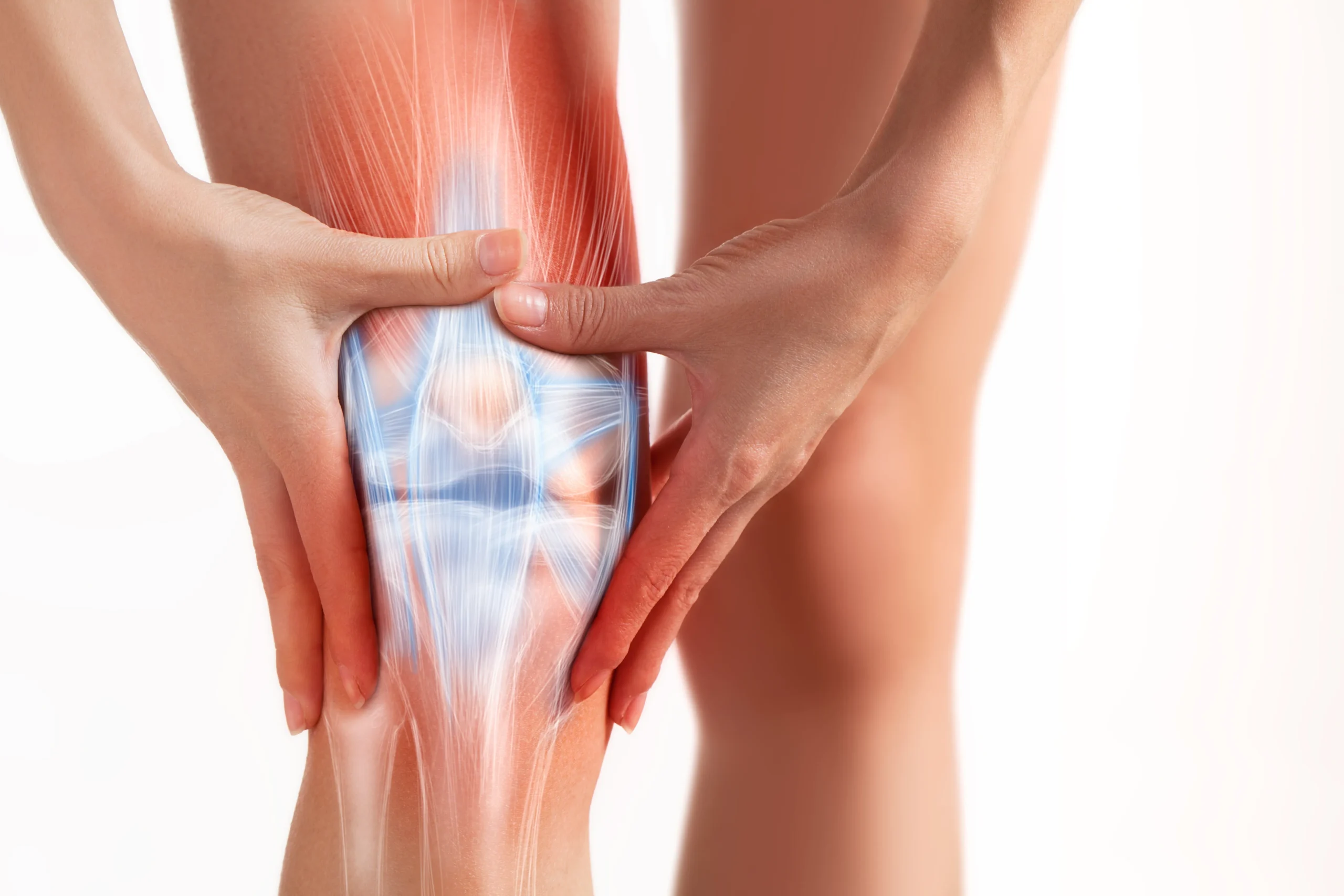
The Benefits of Choosing Physiotherapy Over Surgery and Medication
Physiotherapy at Leaps & Bounds is a cost-effective way to manage injuries and chronic conditions, as compared to the more expensive and invasive options of surgery and long-term medication use.
Cost Comparison: Physiotherapy vs. Surgery and Medication
While the immediate costs of physiotherapy sessions might appear significant, they generally amount to much less than the combined expenses related to surgical interventions.
Surgery not only includes the cost of the procedure itself but may also include a hospital stay, post-operative care, and the rehabilitation process. These procedures also introduce risks such as possible infections, complications, and the need for additional surgeries if outcomes are not as expected. The recovery from surgery can extend over a long period, necessitating time away from work and accruing costs for follow-up treatments.
In contrast, managing a condition with medication might seem economically viable in the short term but can lead to considerable expenses over time. Medications typically address symptoms rather than the root cause and can result in side effects or dependency.
Key Benefits of Physiotherapy:
- Non-Invasive Treatment: Physiotherapy focuses on enhancing mobility, reducing pain, and treating the underlying issues through exercises and treatments, avoiding the risks associated with surgery.
- Cost-Effective: Avoiding surgery and minimizing medication can lead to significant financial savings and better health outcomes.
- Preventative Care: Physiotherapy can reduce the likelihood of conditions worsening to the point where expensive and invasive treatments become necessary.
Physiotherapy at Leaps & Bounds not only aids in immediate recovery but also promotes long-term health, potentially saving patients from the high costs and risks associated with surgery and ongoing medication. By investing in physiotherapy, individuals can enjoy a cost-effective path to recovery, emphasizing improved function and preventative care for a healthier future.