

Learn How to Get Rid of Arthritic Joint Pain Right Now
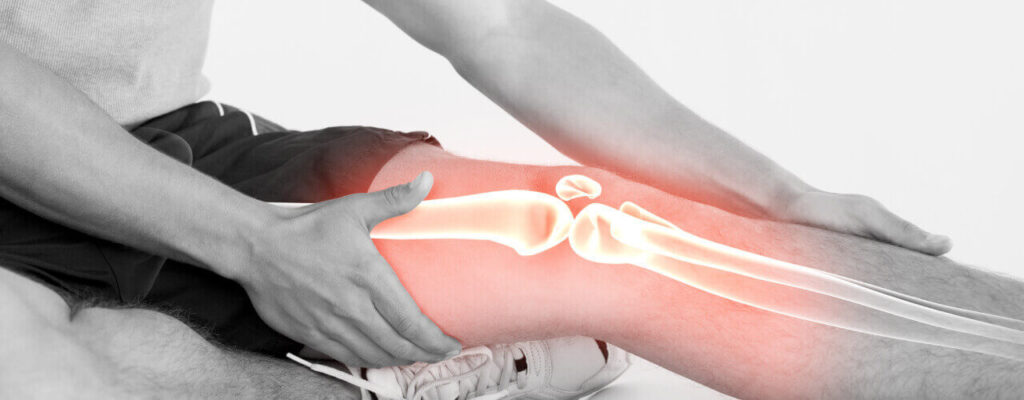
We most commonly associate chronic joint pain with arthritis.
While physical therapy cannot cure arthritis, it can help to alleviate pain, increase the range of motion and strength in affected joints, and help you get back to doing the things you love without fear of your condition getting worse. When it comes to joint pain, if you are not proactive, it is likely to worsen over time.
So if you’ve been experiencing joint pain for some time, contact Leaps and Bounds: Performance Rehabilitation in Oakville to make an appointment with a physiotherapist, athletic therapist, or chiropractor.
Are you noticing these symptoms?
For most people with arthritis, general discomfort is the most common complaint. But you may experience a variety of different symptoms, including:
- Acute sharp pain
- Impaired range of motion
- Stiffness
- Redness
- Swelling
Are my symptoms a sign of arthritis?
While arthritis can affect any joint, it most commonly affects the load-bearing joints of the spine or lower extremities (ex. hips and knees). It is the leading cause of disability in Canada, ranking first overall among women and second overall among men. By 2031, it is estimated that 7 million Canadians (or 1 in 5) aged 15 and older will report arthritic pain that affects their quality of life.
When it comes to joint pain, there are two main types of arthritis to consider: osteoarthritis and rheumatoid arthritis. Here is a more in-depth look at these types of arthritis:
- Osteoarthritis: This is the most common type of arthritis by far that typically develops later in life. Though it is easy to blame poor body mechanics or joint overuse as the cause of arthritis, there is no good evidence to support these claims. The number one risk factor for someone developing osteoarthritis is genetic; someone before you – mom, dad, grandparents – had it. The second biggest risk factor is having had orthopedic surgery as a result of a sustained injury. In either case, the cartilage in joints that serves as a natural barrier that lubricates and distributes force during physical activity, breaks down and no longer provides a cushion between adjoining bones.
- Rheumatoid Arthritis: This is an autoimmune disorder in which the body’s healing systems attack the joints. This causes inflammation of the joints, which can be extremely painful. Rheumatoid arthritis usually begins in the hands, wrists, or feet, but it can spread to the hips, knees, or shoulders – getting progressively worse – if you aren’t proactive in combating it. If you have been diagnosed with rheumatoid arthritis, your doctor will likely prescribe pharmaceutical treatments to stave off the symptoms. However, physical therapy can be a tremendous help as well.
Joint pain and physical therapy
Prepare to discuss your symptoms with your physiotherapist, athletic therapist, or chiropractor during your first visit. They will need to know the type of joint pain you are experiencing, the times of day when the pain is the worst, and any regular physical activities you engage in (for example, do you work in a job that requires physical labor or sitting at a desk all day, or are you retired and less active?).
During your first visit, your therapist will most likely administer a battery of simple tests assessing your range of motion, strength, balance, and posture. This information will be used to develop a personalized therapy regimen to relieve joint pain while strengthening muscles to support the joints. Your physical therapy plan will most likely include a combination of manual therapy, exercises, and modifications of body mechanics, with a goal in mind to gradually return you to the things you live to do.
Ready to find relief?
Let us help you regain control of your life by reducing your joint pain. Call our Leaps and Bounds: Performance Rehabilitation today to make an appointment with one of our qualified practitioners.