

Winter’s Final Act? Shovel Smart & Stay Pain-Free
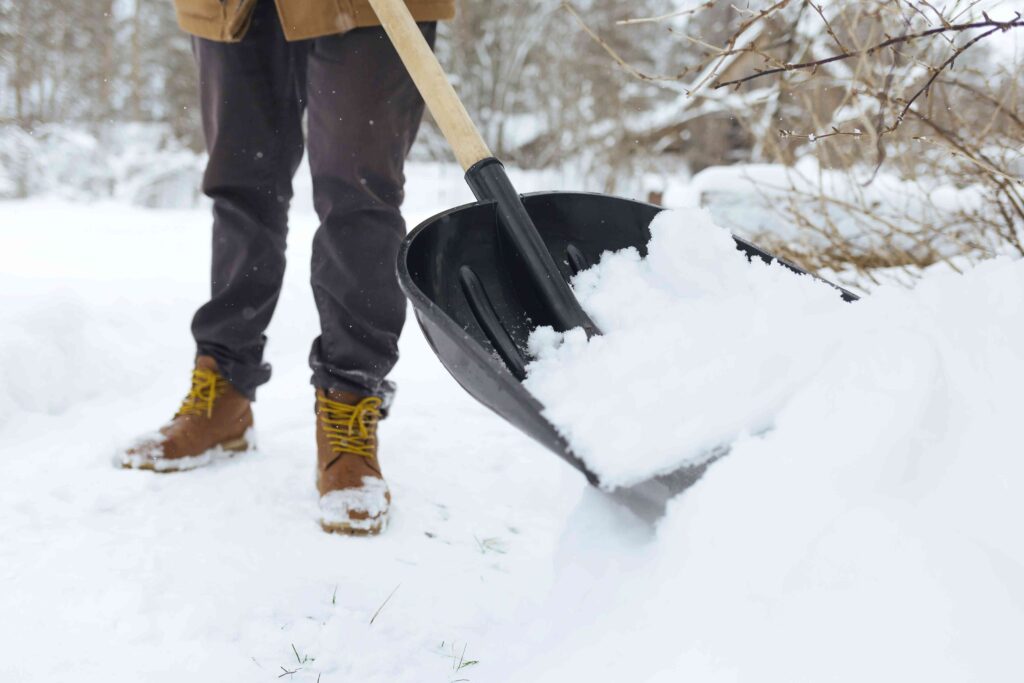
Winter finally showed up this week in full force! With our first major snowfall in a long time hitting this past week, many of us are clearing our driveways for the first time in a while. As winter winds down, it’s still important to shovel smart and safely to avoid injuries.
Each year at Leaps and Bounds: Performance Rehabilitation, we see many of our Oakville community members with flare-ups or new injuries from improper shoveling. And let’s face it, shoveling snow is more than just a chore—it’s a full-body workout. Done incorrectly, it can lead to serious injuries, especially in the lower back and shoulders.
Two of the most common snow-shoveling injuries are discogenic pain in the lower back and shoulder injuries like rotator cuff strains or impingements. Let’s break down how these injuries happen and what you can do to prevent them.
What Is Discogenic Pain and How Can You Get It from Shoveling?
Discogenic pain refers to pain originating from the intervertebral discs in the spine. These discs act as cushions between the vertebrae, absorbing shock and allowing for structure and flexibility. When excessive force, improper movement, or repetitive bending strains these discs beyond their capacity to withstand this, they can become irritated or even damaged, leading to mid-to-lower back stiffness and pain, or pain that can radiate down the legs (sciatica).
How Snow Shoveling Can Cause Discogenic Pain
- Bending at the waist repeatedly to scoop up snow puts excessive pressure on the discs.
- Twisting while throwing snow can cause shearing forces on the spine, increasing the risk of disc irritation or herniation.
- Lifting heavy snow with a rounded back rather than engaging the legs and core strains the lower back.
- Repetitive motions without breaks increase stress on spinal structures, leading to fatigue and injury.
Shoulder Injuries and How You Can Get Them from Shoveling
Shoveling isn’t just tough on your back—it can also overload your shoulders, leading to injuries like rotator cuff strains, impingement, biceps tendonitis, or even dislocations.
Common Shoulder Injuries from Shoveling
- Shoulder Impingement “Syndrome” – Repetitive arm lifting can result in fluid increases in the rotator cuff tendons (much like muscles getting ‘swol’ after a good gym workout). This is normal, but can be bothersome when reaching for those end ranges – or can get angry if you load those cuffs at their end range repeatedly. This is felt as a pinch in your shoulder when you raise your arm as high as you can.
- Rotator Cuff Strain or Tear – Repetitive lifting and heavy loads can cause small tears (ie. strains) or larger tears of the rotator cuff, when the repeated or maximum load exceeds the capacity of the tissues, leading to pain and weakness. This is felt in the lateral or posterior shoulder.
- Biceps Tendonitis – Overuse of the biceps tendon beyond its working capacity can result in pain and weakness in the front of the shoulder.
- FOOSH Injuries (ie. fall on outstretched hand) – A sudden, forceful movement or fall can cause the shoulder to partially or fully dislocate (think ball and socket joint), or sprain the AC joint (the tip of the shoulder where the collarbone meets the shoulder blade).
Preventing Snow Shoveling Injuries
1) Push the Snow, Don’t Lift
Shoveling should be a cardio workout, not a strength competition. Instead of lifting and throwing snow, push it to the edge of the driveway or sidewalk. If you must lift, take small amounts at a time. A push-style snow shovel can make the job much easier and safer.
2) Engage Your Core
Before pushing or lifting, activate your core. This stabilizes your spine and protects your joints, discs, and nerves—similar to bracing before lifting weights.
3) Use Your Hips and Knees—Not Your Back
One of the biggest mistakes people make is bending forward from the waist, which stresses the lower back. Instead, squat from your hips and knees when lifting snow. Keep your back straight and use your leg muscles to handle the load safely.
4) Choke Down on the Shovel
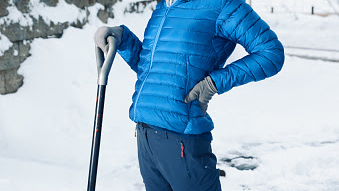
Keeping the snow close to your body reduces strain on your back. Place one hand at least halfway down the handle when lifting to maintain control and minimize effort.
5) Take a Few Seconds to Bend Backward
After several minutes of shoveling, take a quick break to stand up straight, put your hands on the small of your back, and push your hips forward while you move your torso backward several times. This provides some balance to your spinal discs..
6) Wear Proper Footwear
Good traction is essential. Proper winter boots with sturdy treads help prevent slipping and reduce the risk of falls and injuries.
Recovery After Shoveling
Even with shoveling smart and with good technique, shoveling can leave your muscles sore. To aid recovery:
- Hydrate: Treat shoveling like a workout—drink water to aid muscle recovery.
- Stretch: Prone press-ups are highly recommended here.
- Rest: Give your body time to recover before engaging in other strenuous activities. But avoid doing so in slumped seated or reclined positions. Lay flat on your back or tummy instead.
An Important Aside: Shoveling & Heart Health – A Warning
Shoveling smart is physically demanding and can trigger heart issues in those with existing risk factors. Stop immediately and seek medical attention if you experience chest pain, jaw pain, or shortness of breath (click this link to learn more about emergency signs of a heart attack).
If you are in the Oakville area, and you are experiencing pain after shoveling this weekend, visit Leaps and Bounds: Performance Rehabilitation for an assessment and treatment plan to help you recover sooner rather than later.